
Cameras put bread on the table
Namibian youths are turning photography into a source of income, proving that creativity and determination can build sustainable livelihoods. This inspiring story follows young entrepreneurs
By Agnes Shekupe Shivute
Scientific name: Adenia Pechuelii
Common name: Elephant’s Foot
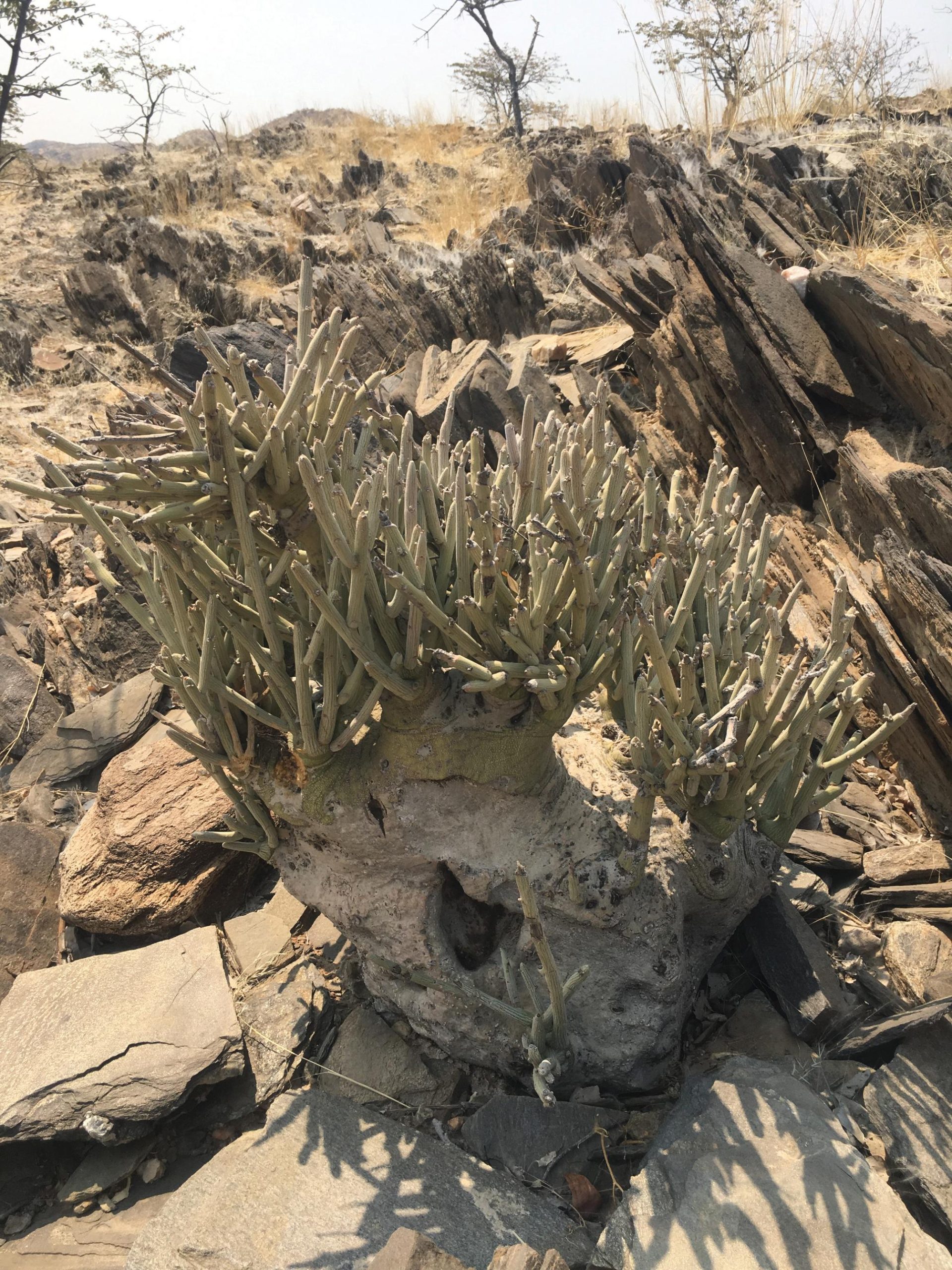
Experts in off-road driving deserve appreciation awards. It really requires a bold and confident driver for a passenger to feel safe when the terrain is nothing other than uphill and rocky. There is a feeling of immense relief upon arriving at your destination unscathed when the journey has a rather not-solinear route. Having experienced such an exhausting journey, arriving safely deep in the Kunene Region came with immense gratitude. Upon arrival we sighted some of the biggest succulents, growing more on rock than in soil. The elephant’s foot, a rather unusual plant, immediately caught my eye and tickled my interest. I could finally touch a succulent which I had only seen in pictures and videos before.
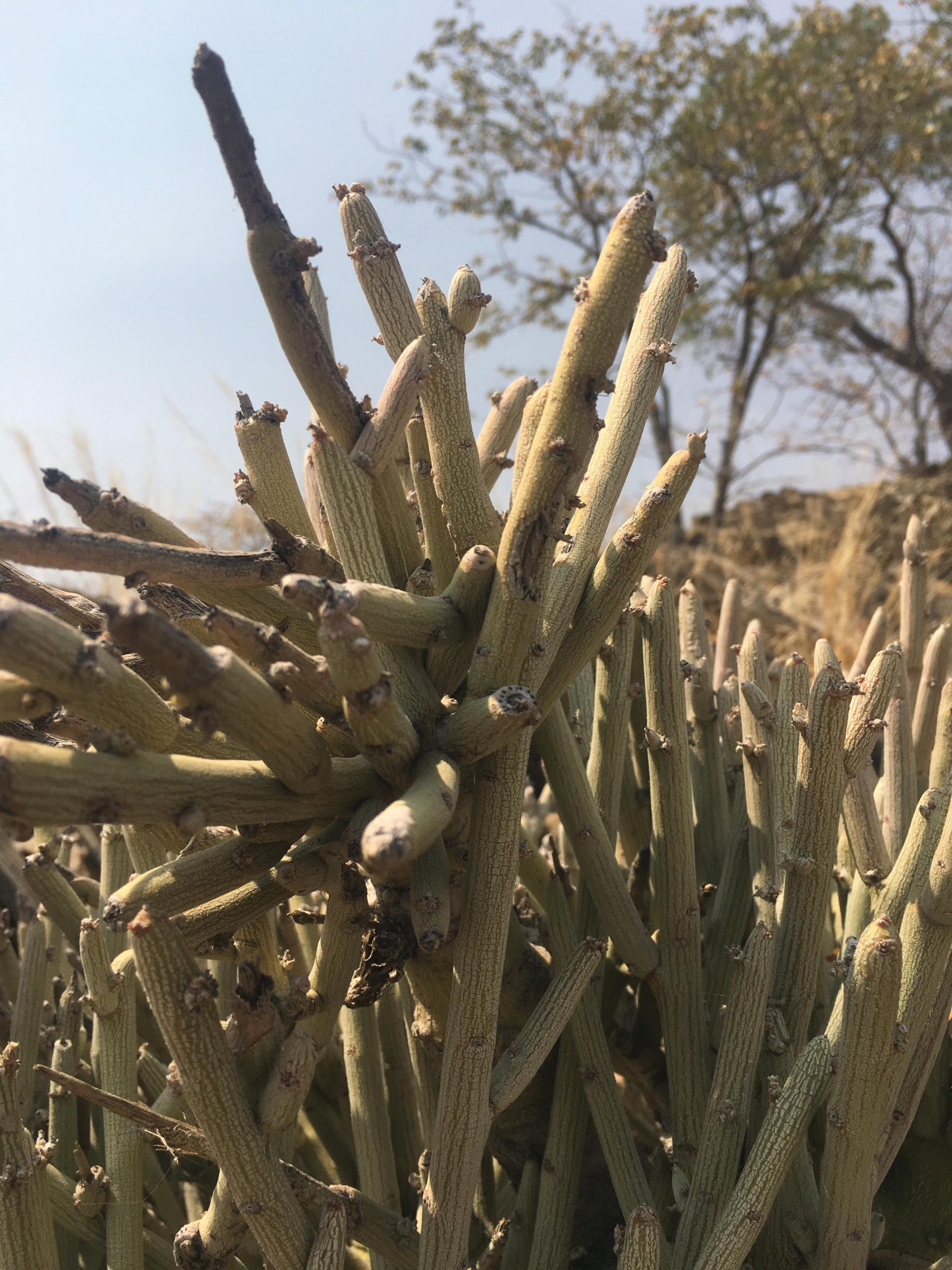
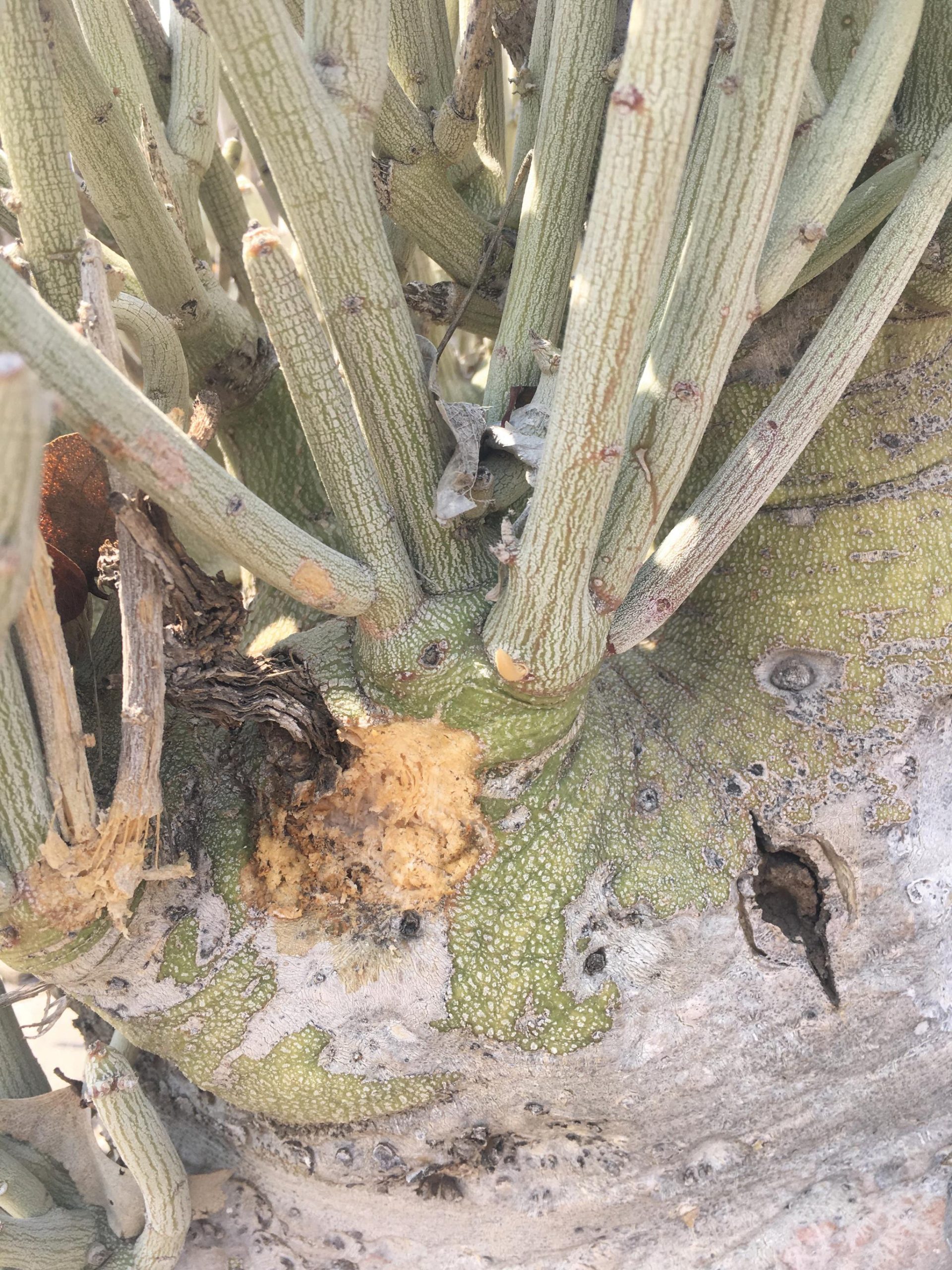
It does indeed look like the foot of an elephant. The succulent has a large, squatted shape with a broad, tubed stem, a smooth texture and a greenish-grey colour. The elephant’s foot is said to have an average height of one metre, with plentiful branches protruding from the broad stem, which appears almost swollen. The branches are short, quite thick and rigid with a pale green colour. Its leaves are simple, although they are seemingly absent in most cases. The leaves are alternate and sometimes spirally arranged with a leathery texture and a blueish-green colour.
The elephant’s foot produces small cup-shaped flowers from February through to June. Flowering is followed by the appearance of small three-lobed fruits that contain seeds. Female succulents are known to produce striking red fruits compared to their male counterparts, while reproduction requires two plants and an insect to pollinate. The growth rate of this succulent is quite slow and regeneration of its populations also occurs at a slow pace. Growing in arid ecosystems, its broad, tubed stem stores water, allowing the succulent to survive through phases of flowering and fruiting during droughts. In addition, the elephant’s foot is classified as protected under the Forest Act of 2001 and the Forest Regulations of 2015. The reason for it being legally protected is underpinned by unsustainable harvesting for horticultural trade as well as its slow growth rate.
The vegetation in these communities is quite sparsely populated, and for someone more familiar with vegetation in the regions beginning with an “O”, this was an eye-opening experience. Unfortunately, the season presented us with rather naked trees, so while some trees were flowering, most were leafless, and identifying them required more vigilant efforts. The weather was pleasant, foggy, cold and quite windy. Staring at the mountains, I was still unable to fathom that we were in the mighty Kunene Region. A nostalgic wave came across me as I was suddenly reminded of the small mining town where I grew up, Rosh Pinah.
What a beautiful sight it was to finally see some wildlife in the form of approaching springboks. They finally came to a standstill as we entered a brief staring competition. We admired their beauty as we sat in the car with no intention to harm them, but they probably thought we meant harm entering their territory. They were not very visible as their height matched that of the tall grass. According to the villagers, the region received a good amount of rainfall and the grass recovered well after the hard-hitting drought. The herds of livestock were testament to this.
Most if not all the people in the Kunene Region we encountered regard the elephant’s foot as a succulent of significant importance to their livelihoods. Locally known as “Otjiugumane” in Otjiherero, communities also regard this succulent to be of cultural importance. While human interference cannot necessarily speed up the growth of this succulent, sustainable harvesting is recommended, with preand post-harvest assessments to help ensure that populations are maintained.

Namibian youths are turning photography into a source of income, proving that creativity and determination can build sustainable livelihoods. This inspiring story follows young entrepreneurs

Rediscover the healer within. This wellness column explores how mindset, emotions, nature and spiritual awareness contribute to holistic healing and self-restoration, reminding us that lasting

Namibia urges urgent global action at COP30, highlighting climate adaptation, mitigation, and green hydrogen initiatives as the country strengthens resilience against climate impacts and promotes

In loving memory of Dr Nad (Conrad) Brain – wildlife vet, conservationist, and bush pilot – whose work and stories continue to inspire Namibia’s conservation