Native Leaves: The Ana tree
Meet Namibia’s 2025 Tree of the Year: the Ana tree (Faidherbia albida). Learn its features, ecological role, traditional uses, and why this protected indigenous species
By Magano Frietya
The kindergarten environment is one of the most exciting, bustling, fun, colourful and vibrant places to be. The moment you step inside, you are welcomed by an atmosphere alive with laughter and curiosity. Children immerse themselves in play, creative crafts and imaginative adventures that turn every moment into one of discovery.
It is these precious moments that remind us of the true importance of childhood, a crucial period when young minds and bodies develop at an astounding pace.
The kindergarten or early childhood development (ECD) centre is more than just a place of learning; I like to think of it as a training ground for young superheroes. It is a space where children grow, spark their imaginations, nurture creativity and begin to step into the characters they will one day become. At the ECD centre, children receive comprehensive support, including health, nutrition, safety and emotional care. These early experiences lay the foundation for future development, shaping not only cognitive abilities but also social and emotional skills that will serve children throughout their lives.
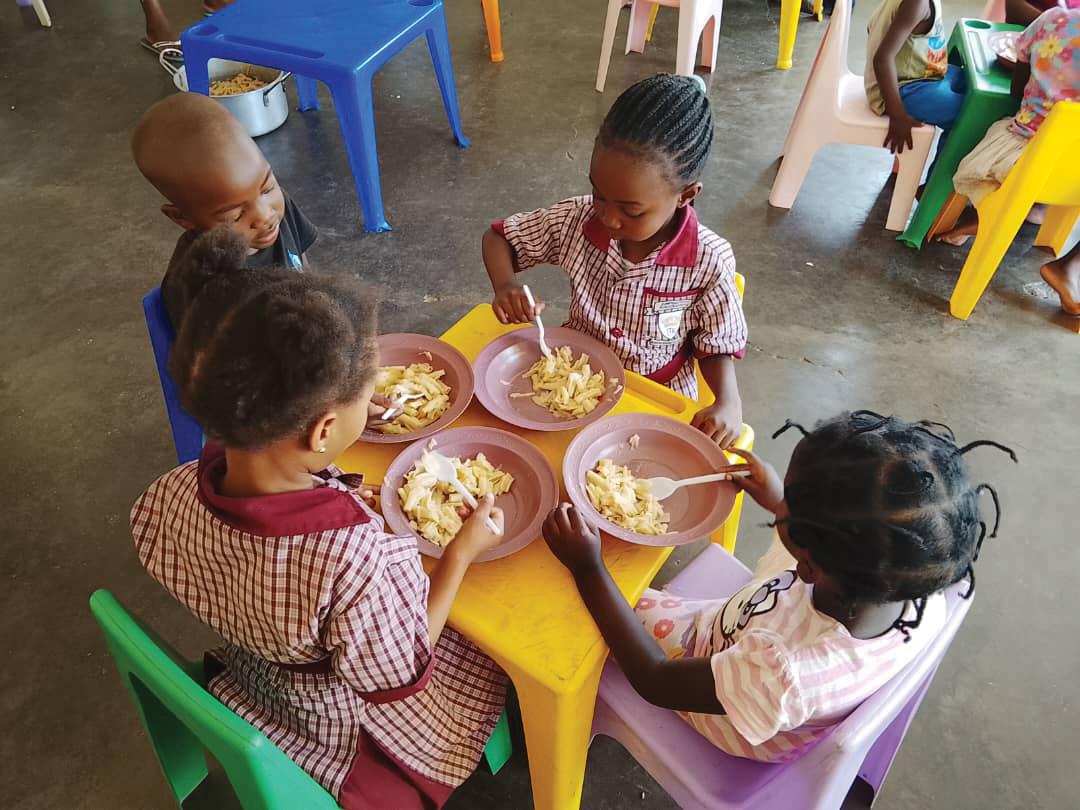
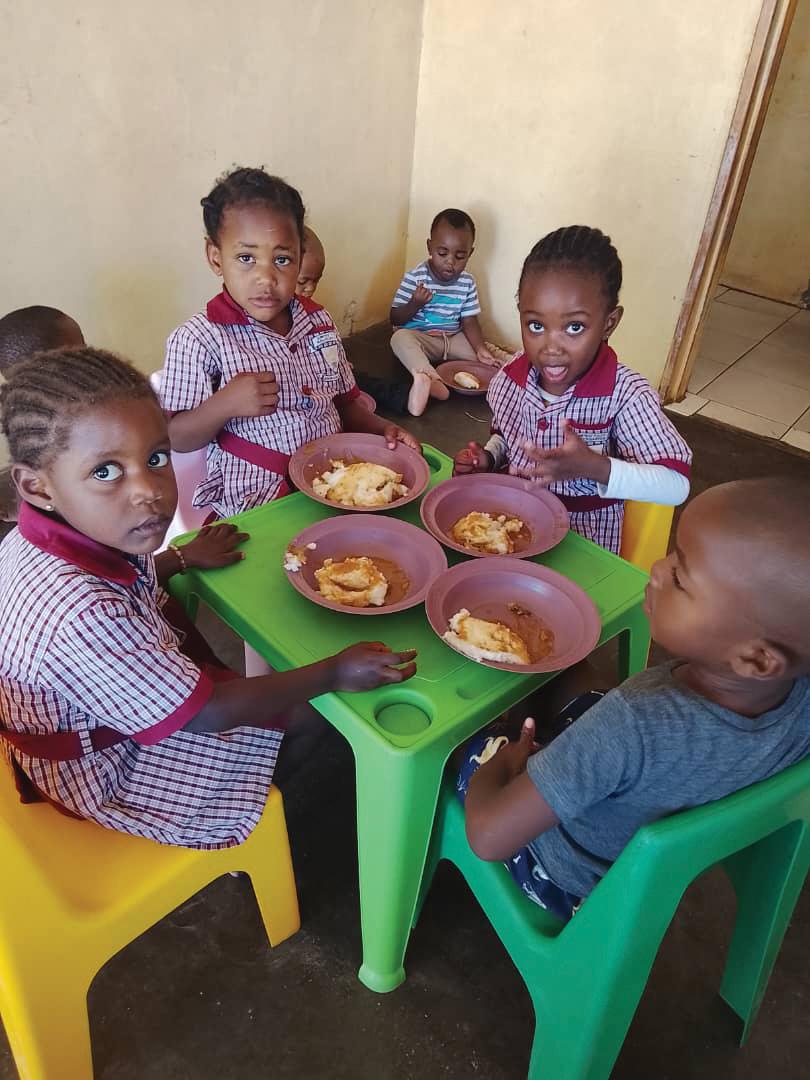
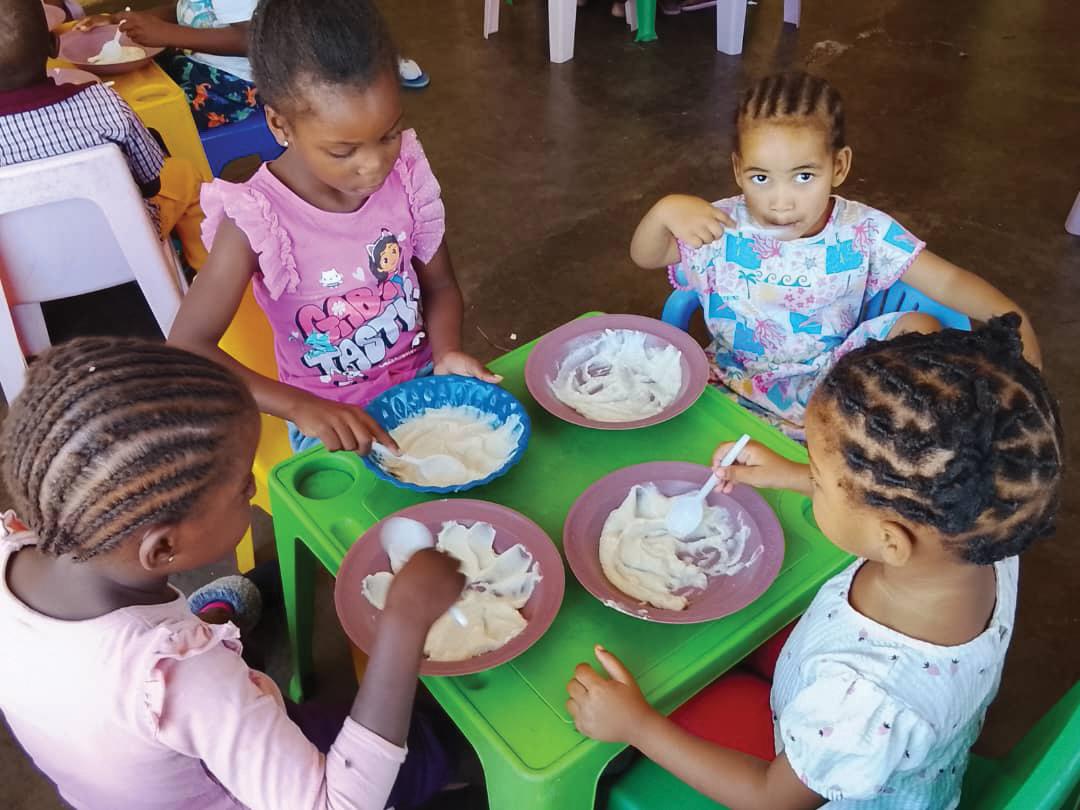
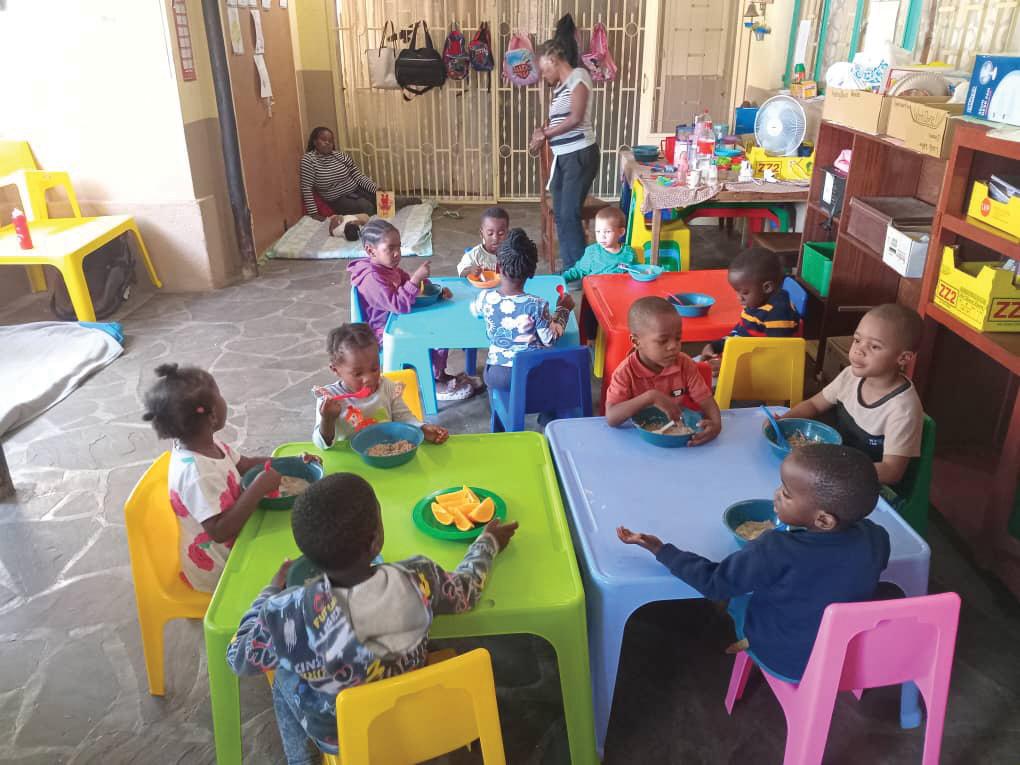
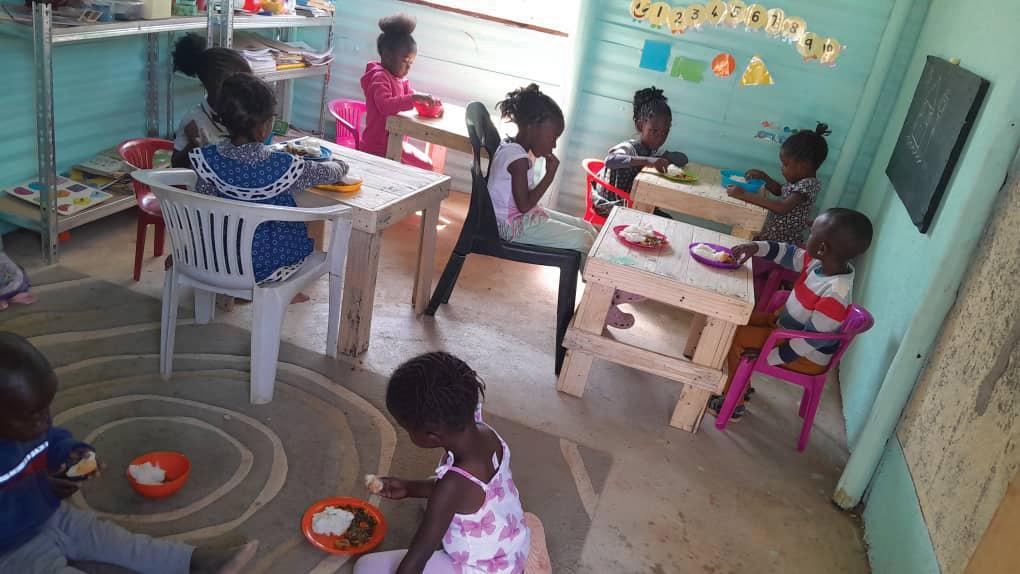
One of my favourite times at a kindergarten is snack time, when the children gather to enjoy their meals. This special moment is a beautiful display of humanity at its purest. It is much more than just eating; it is the shared giggles, the eager passing of snacks, the breaking of bread and the cheerful chatter that fills their little world. These simple, heartwarming moments are almost guaranteed to bring a smile to your face. The genuine joy and innocence they show during these shared meals perfectly capture the pure, beautiful nature of the early years.
Yet, in many of our kindergartens across the informal settlements, the story is different. Some children arrive at school with empty lunch boxes, while others have barely enough to satisfy their growing appetites. Those empty lunch boxes tell silent stories of struggle and hardship – stories that no child should have to experience.
Ms Jochobeth Gaweses, a dedicated ECD teacher and principal in Karibib, shares the daily struggles her children face. “Many of the parents send their children to school without a lunch box, and sometimes the lunch box has very little food,” she shares, her voice reflecting both concern and compassion. “When I ask them why, they sometimes say that there is no food at home.”
This harsh reality reflects the daily challenges faced by children from Namibia’s economically disadvantaged households, where financial hardship directly impacts our youngest and most vulnerable community members.
The current state of child nutrition in Namibia is alarming. According to recent data, 63% of children in Namibia experience multidimensional poverty, while 30% are stunted due to malnutrition. Perhaps most concerning is that 87% of infants and young children lack a minimally acceptable diet. These figures paint a stark picture of the nutritional crisis facing Namibia’s youngest citizens, highlighting the urgent need for intervention at both community and national levels. This situation is likely to affect Namibia’s future development and prosperity, as these children will grow into adults who may struggle to reach their full potential due to early nutritional deficiencies.
Nutrition plays a critical role in these formative years. Children experience rapid physical and cognitive growth that requires a balanced intake of essential nutrients such as proteins, vitamins, minerals and healthy fats. Proper nutrition supports the development of strong muscles, bones and a healthy immune system. It also promotes optimal brain function, enabling children to learn, focus and engage actively with their environment. Without adequate nourishment, children risk stunted growth, lower academic performance and increased vulnerability to illness, all of which can have long-term effects.
The impact of nutrition on learning is profound. Undernourished children consistently score lower on learning and brain tests, perform significantly worse in school and have notably higher rates of absenteeism. The first 1,000 days of life – from conception to age two – represent a critical window in a child’s development. During this period, nutritional deficiencies can cause irreversible damage to the developing brain, potentially limiting cognitive abilities and learning capacity for life.
Furthermore, mealtimes serve as social learning opportunities where children practice communication, turn-taking and observe social behaviours. Feeding that is easy and supportive helps children to not only get the nutrients they need but also develop essential life skills and positive social interactions, setting the foundation for overall growth and wellbeing. Addressing nutrition in the early years is therefore essential for giving children the best possible start in life and helping them reach their full potential.
Development Workshop Namibia (DWN), in partnership with Osino Gold Exploration and Mining (Pty) Ltd (Osino), is transforming children’s mealtime experiences. This initiative focuses on delivering nutritious, balanced meals to children attending ECD centres in key towns across the Erongo Region. The programme, delivered by DWN and funded by Osino, currently supports approximately 1,046 children from kindergartens in Omaruru, Karibib and Usakos, enhancing their health, wellbeing and school readiness. Beyond nourishment, mealtimes foster social interaction and positive routines.
Ms Gaweses’ face brightens as she describes the programme’s impact: “We are very grateful to be able to serve these children delicious and nutritious meals,” she explains with evident enthusiasm. Her dedication shines through as she details their meticulous approach to meal planning: “Each meal is carefully planned to include proteins, carbohydrates, vegetables and fruits when available.” She notes that the positive effects are immediately visible: “The children enjoy the meals, and it brightens their mood for the rest of the day.”
What sets the programme apart is its comprehensive, datadriven approach that is centred on measurable impact and holistic child development. The programme rigorously collects and analyses detailed health and growth data – such as the height, weight and mid-upper arm circumference of the children – from ECD centres in Karibib, Omaruru and Usakos. The data clearly shows that children attending centres that participate in the feeding programme demonstrate better physical growth, reduced stunting and lower rates of malnutrition compared to peers in non-participating centres. It also shows improved cognitive and socio-emotional competencies, as feeding allows children to focus, engage and be more open to the programme, which is further supported by DWN through teacher training and learning materials.
Parents are also noticing the difference. “The parents are now asking what we are feeding their children, because they look so healthy and very happy,” says Ms Gaweses. “The kids are always happy to come to school, and they often talk about how much they love the food they get at school.”
Nutrition stands at the heart of early childhood development, serving as the essential fuel for growth, learning and overall wellbeing. Without an adequate and balanced diet, children’s physical development, cognitive abilities and emotional resilience are compromised, limiting their capacity to thrive both in the classroom and beyond.
By prioritising good nutrition in ECD programmes, Osino and DWN are not only investing in the immediate health of children but in their lifelong potential. This foundational support empowers children to reach developmental milestones, engage fully in learning and build the confidence and skills they need for a successful future. Ultimately, good nutrition during formative years is a powerful catalyst for breaking cycles of poverty and building healthier, stronger Namibians.
Meet Namibia’s 2025 Tree of the Year: the Ana tree (Faidherbia albida). Learn its features, ecological role, traditional uses, and why this protected indigenous species
Namibia leads in community-based conservation with German support from KfW and GIZ. Learn how communal conservancies protect wildlife, benefit 244,000 people, and cover over 40%
August 26 Manufacturing makes garments and footwear in Windhoek and Okahandja—PPC, healthcare and workwear for mining, oil and gas, hydrogen and government.

With youth joblessness at 44.4%, Namibia cannot recruit its way out of a skills gap. Leadership means first chances, local contracts and real knowledge transfer.