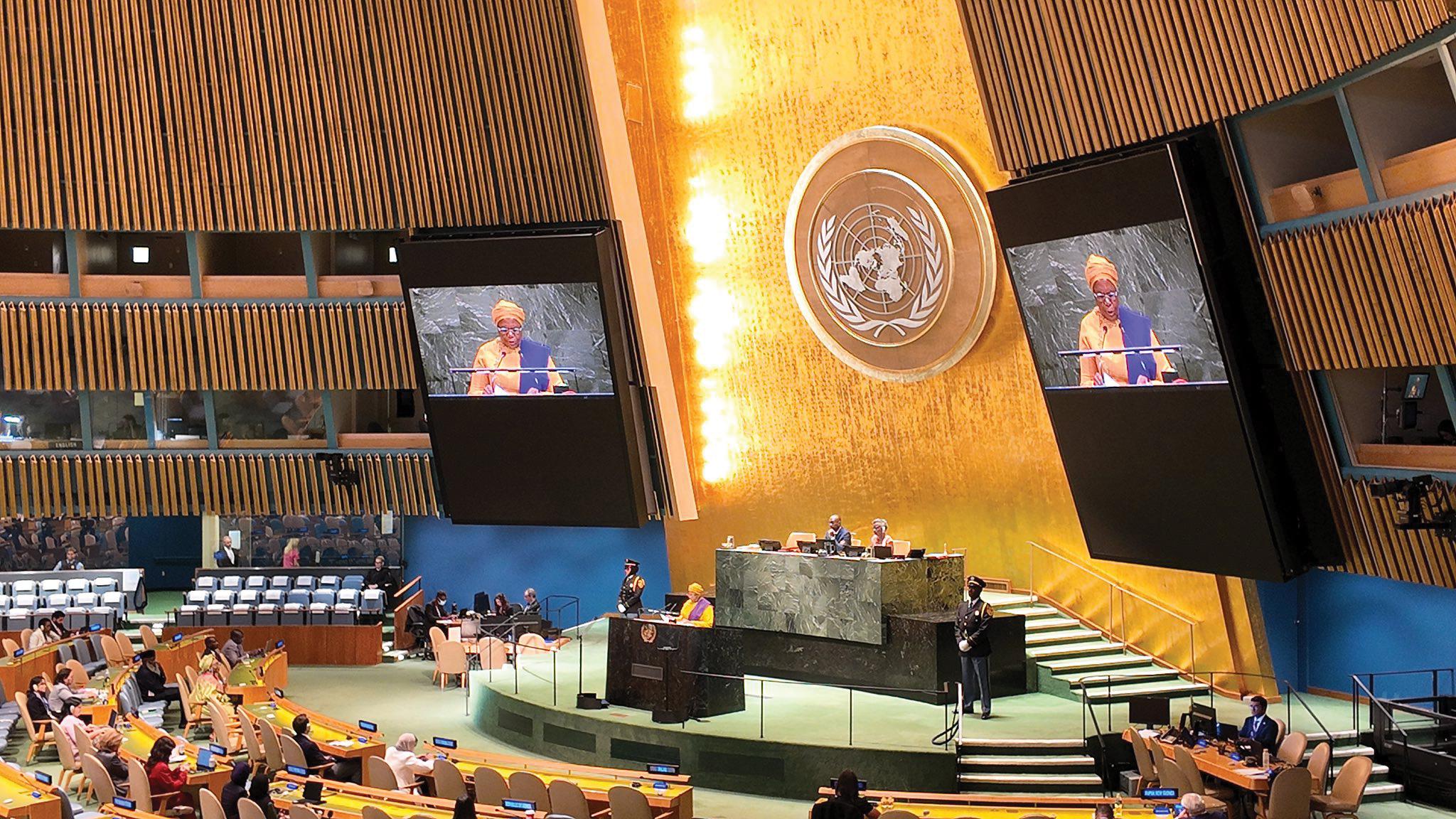
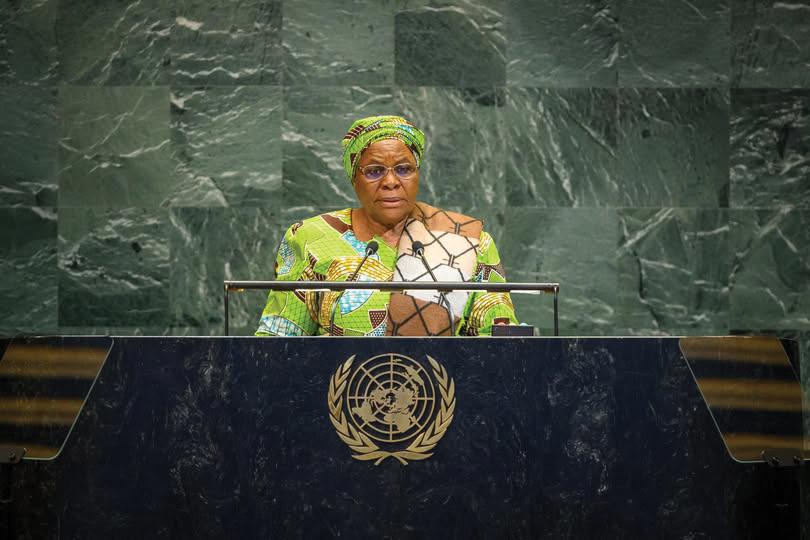
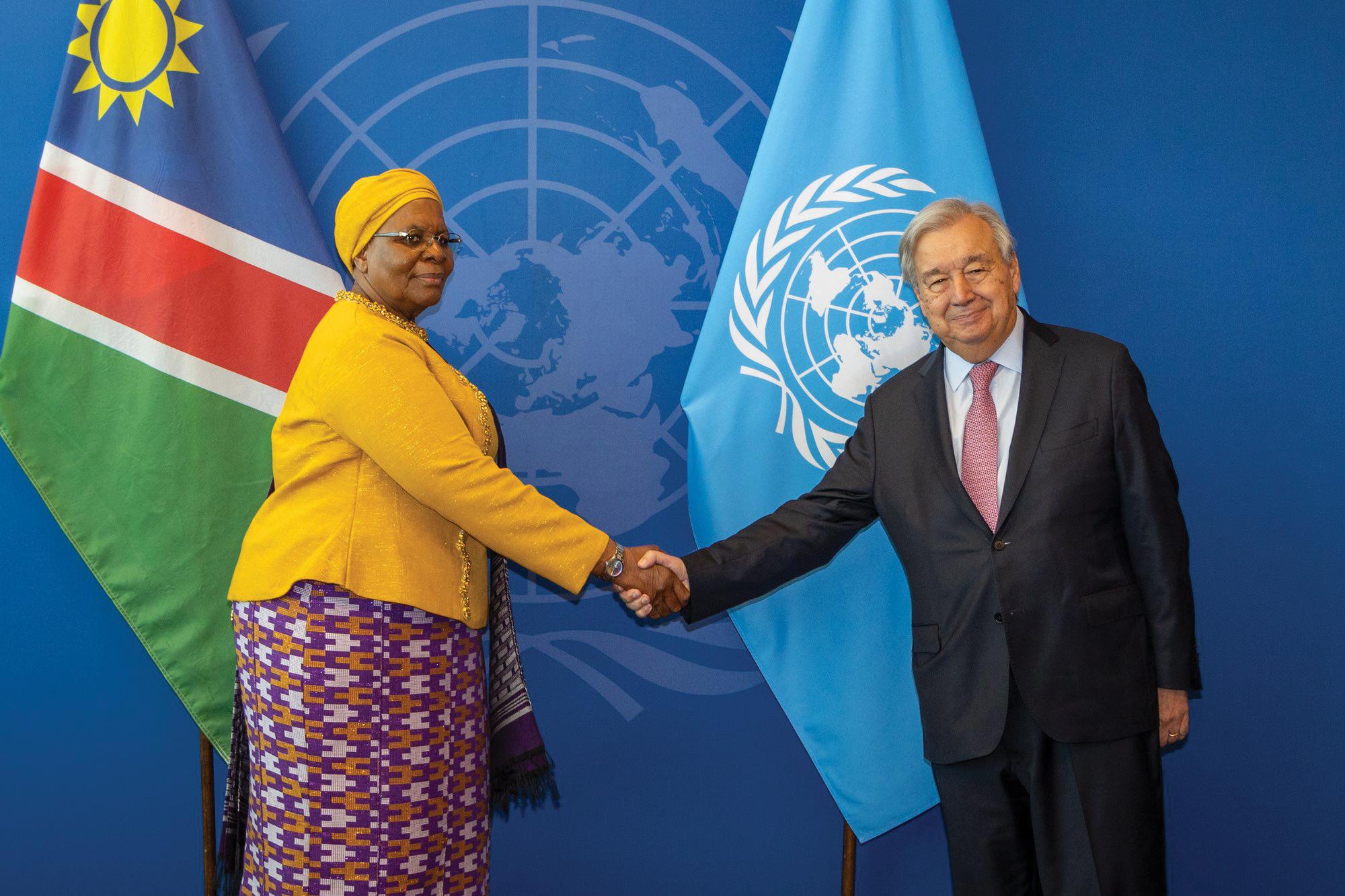
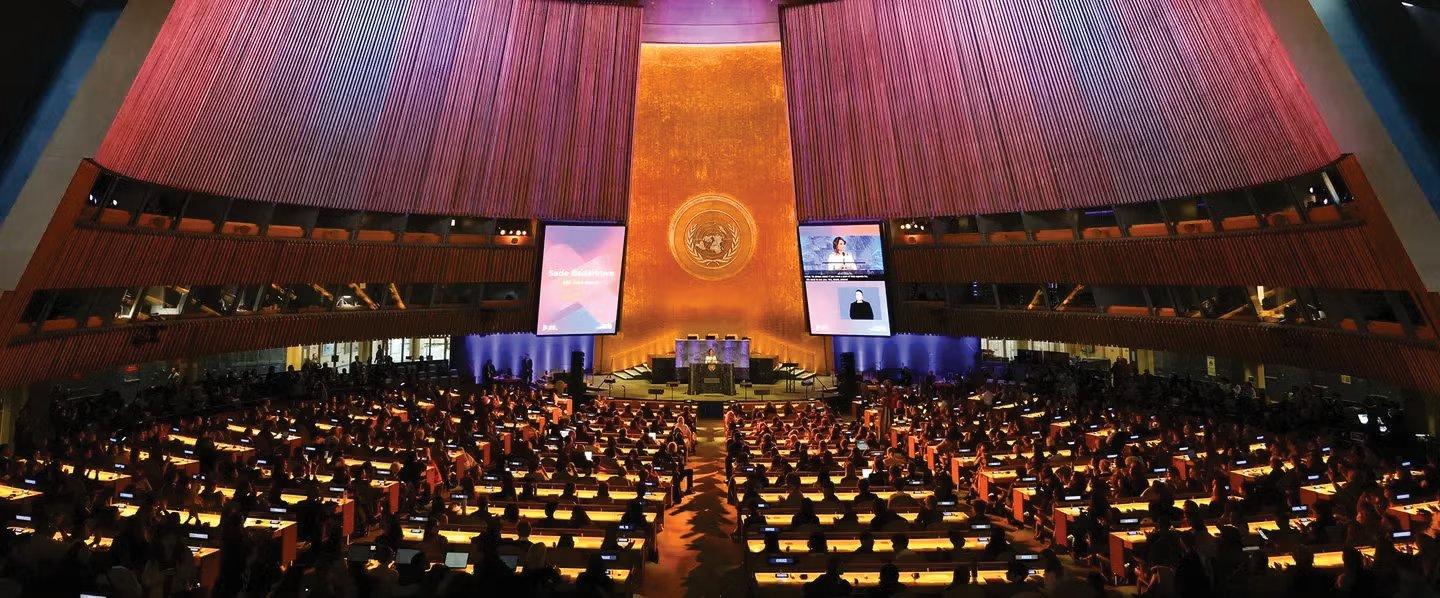
The president outlined Namibia’s development priorities under the eighth administration, themed “Unity in Diversity, Natural Resources Beneficiation and Youth Empowerment for Sustainable Development”. Key sectors include agriculture, education, health, housing and creative industries, supported by mining, energy, tourism, transport and infrastructure, all guided by the nation’s Vision 2030 and National Development Plans (NDPs).
She also noted Namibia’s initiatives to empower youth, such as the National Youth Fund (NYF) launched on 29 September 2025, free access to public higher education and vocational training centres, as well as its energy diversification strategy, which includes presenting the country’s Energy Compact to the Africa Energy Forum (AEF).
On global challenges, the president warned that climate change, economic instability and conflicts threaten livelihoods and ecosystems. “Climate change is scorching our lands and drying up our rivers. Global instability is impacting our markets and jeopardising our livelihoods. These are interconnected symptoms of a deeper fragility in our shared systems. They require our collective action, rooted in empathy and shared responsibility,” she noted.
Namibia is bidding to host the African Regional Hub of the Green Climate Fund, and the president called for urgent action to implement the Namib Declaration to combat desertification. She also stressed the need for ethical regulation of artificial intelligence, ensuring transparency and human oversight.
Highlighting global inequalities, Nandi-Ndaitwah urged multilateral cooperation to tackle youth unemployment, inadequate housing, education, healthcare, energy and debt distress. She further called for strengthened peacekeeping and political resolutions in Africa, including eastern DRC, and demanded progress on longstanding issues such as Western Sahara, sanctions against Cuba, Zimbabwe and Venezuela, as well as the humanitarian crisis in Palestine.
“The unprecedented human suffering of the people of Palestine should question our human conscience. What we need is constructive dialogue to prevail. The people of Palestine must also benefit from the noble promises of the United Nations Charter,” she added. Additionally, the president called for urgent reform of the United Nations to democratise global governance, amplify marginalised voices and uphold international law as protection for vulnerable populations. Namibia, co-facilitating last year’s Pact for the Future summit with Germany, emphasised the need for collective action to address peace, security, sustainable development and climate change.
“We have the opportunity to restore hope, to build a future defined not by division, but by unity and preservation of human dignity,” said Nandi-Ndaitwah. She reaffirmed Namibia’s commitment to the multilateral order, emphasising that even the smallest nations must have a voice in shaping global peace and justice.